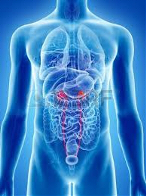
Kidney and Ureteral Stones
What is a stone?
A stone is a hard, solid mass that can form in the gallbladder, bladder, and kidneys. These types of stones have different causes and are treated in different ways.
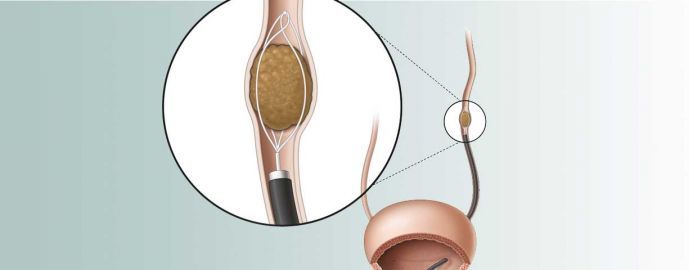
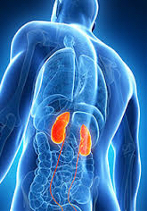
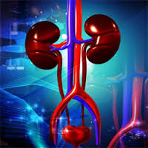
This leaflet discusses kidney and ureteral stones. These develop in the kidney and either stay there or move to the ureter.
Kidney stones form when minerals or acid salts in
your urine crystalize. Most stones leave your body
while you urinate. However, in some cases you may
need treatment to remove the stone.
What causes kidney stones?
Anyone may develop a kidney stone during his or her lifetime. Stones can form if there is an imbalance in the way your body produces urine. This may be connected to how much you drink and whether there are substances in your urine which trigger stone formation.
Symptoms
People often associate kidney and ureteral stones with pain. However, symptoms can vary from severe pain to no pain at all, depending on stone characteristics – such as the size, shape, and location of the stone in the urinary tract.
Severe pain (renal colic) If the stone blocks the normal urine flow through the ureter you will experience severe pain, known as renal colic. This is a sharp pain in the loin and the flank (the side of your body, from the ribs to the hip). You may feel pain in the groin or thigh too. Men can also have pain in their testicles.
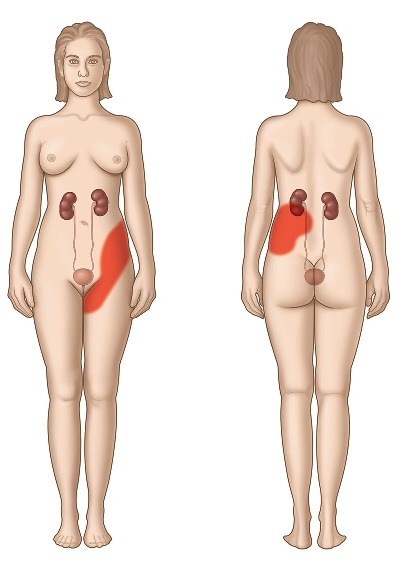
Other symptoms that may accompany renal colic are:
• Nausea
• Vomiting
• Blood in the urine (urine appears pink)
• Painful urination
• Fever
Renal colic is an emergency situation and you should
contact your family doctor or nearest hospital to
relieve the pain. In case of high fever you must seek ...
Urine Analysis
Kidney Stones
Bladder Problems
Prostate Disease
STD
Ureter