Urinary Incontinence
What is urinary incontinence?
Urinary incontinence is any involuntary or unwanted loss of urine. It is considered a medical condition if it happens regularly. The risk of developing incontinence increases with age, but younger people may also develop it. Women are more likely to suffer from this condition than men.
Incontinence is common and causes distress and embarrassment. Many people go without treatment because they feel uncomfortable discussing incontinence with their doctor. If incontinence is frequent or affects your quality of life, it is important to seek medical advice. In most cases, incontinence can be treated or cured with various treatment options.
These include pelvic floor
exercises, drug treatment, or surgery. Together with
your doctor you can discuss which treatment is best
for you.
Causes of urinary incontinence:
Some of the most common causes of urinary incontinence are:
• Hormone deficiencies
• Weak pelvic floor muscles
• Neurological lower urinary tract dysfunction
• Urinary tract infections
• Benign prostatic enlargement (BPE)
Common risk factors include:
• Pelvic surgery
• Prostate surgery
• Childbirth
• Menopause
Urinary incontinence becomes more common with
increasing age. However, it should not be seen as a
normal part of ageing.
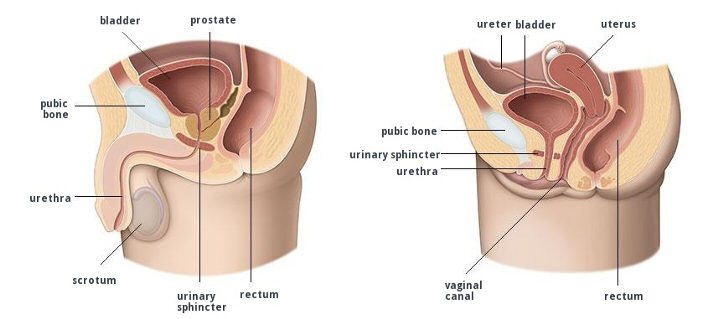
Urine Analysis

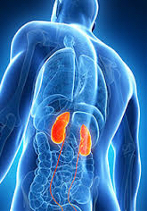
Kidney Stones
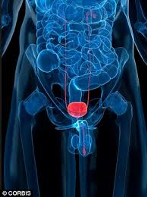
Bladder Problems
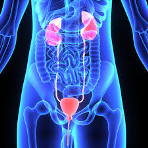
Prostate Disease
STD

Ureter