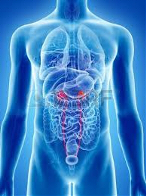
Prostate Cancer
What is Prostate Cancer?
Prostate cancer is a malignant tumour in the prostate. There are several stages of prostate cancer. Your treatment and experience depend on the specific characteristics of the tumour and the expertise of your medical team.
The sections in this series provide general information about prostate cancer, diagnosis, and various treatment options. Discuss with your doctor what is best in your individual situation. Most prostate cancers develop slowly and do not cause symptoms. Fast-growing prostate cancer is less common.
The risk of getting prostate cancer increases with age. The average age for diagnosis of prostate cancer is 69. Because of the development in diagnostic tools and longer life expectancy, more prostate cancers are now detected. Prostate cancer is the most common cancer in elderly men in Europe.
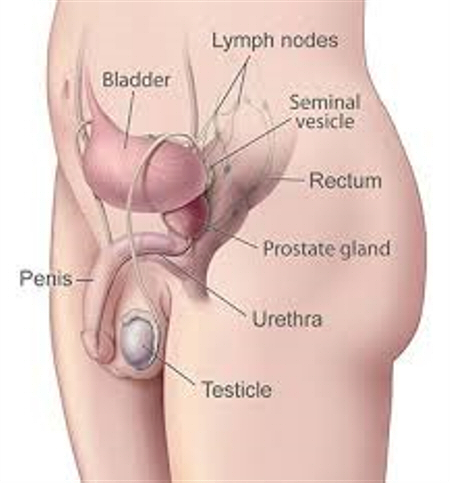
The survival rate for prostate cancer in Europe is relatively high and is still going up. The underlined terms are listed in the glossary. Stages of the disease There are different stages of prostate cancer. If the tumour is limited to the prostate and has not spread, this is called localized prostate cancer. In locallyadvanced prostate cancer, the tumour has grown out of the prostate into surrounding tissue such as the seminal vesicles, the bladder neck, or lymph nodes around the prostate.
Doctors speak of metastatic disease if the cancer has spread either to distant lymph nodes or other organs. Risk factors for prostate cancer There are several known risk factors for prostate cancer, of which age is the most important one. Prostate cancer is rare in men younger than 40 and mostly develops in men over the age of 65.
A family
history of prostate cancer can increase the risk.
This type of cancer is most commonly diagnosed in
men of African descent, and least in Asian men. It is
still unknown what causes these differences. Eating
more meat and dairy products could increase the risk
of prostate cancer, but this is still being researched.
Urine Analysis
Kidney Stones
Bladder Problems
Prostate Disease
STD
Ureter